Tooth Pain From Dental Root Fractures: Common Signs and Symptoms
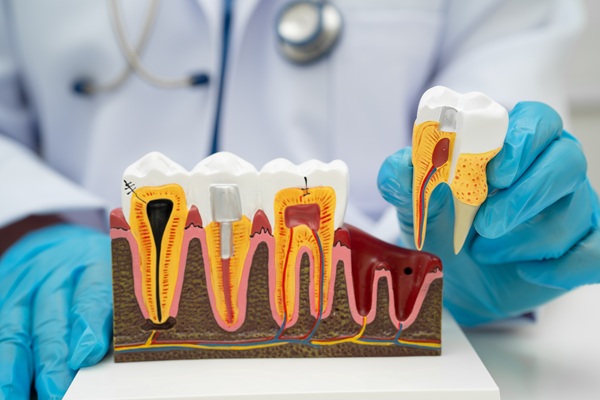
Tooth pain can stem from various dental issues; one lesser-known cause is a dental root fracture. Root fractures are cracks in the root of a tooth, often resulting from traumatic injury, tooth decay, or other dental conditions. When treated promptly, such as with root canal therapy, patients can avoid significant discomfort and complications. Recognizing the symptoms associated with root fractures is crucial for timely treatment from an endodontist.
A closer look at dental root fractures
Dental root fractures refer to cracks or splits that occur within the root of a tooth, which lies beneath the gum line. Unlike fractures that affect the visible portion of a tooth, root fractures are often harder to detect without dental X-rays or other types of imaging. These fractures can be either complete, where the crack extends from one side of the root to the other, or incomplete, where the crack affects only a portion of the root.
Sports injuries, blows to the face, biting down on hard objects, or other traumas can lead to root fractures. Tooth decay may also cause the root to fracture. In certain cases, these fractures can develop gradually due to chronic stress on the tooth or other structural weaknesses.
Signs and symptoms of dental root fractures
Dental root fractures share symptoms with other conditions, such as tooth decay and gum disease. Thus, most patients learn they have a fractured root from their regular dentist, who will then refer them to an endodontist. It can still help to know the common signs and symptoms of root fractures so that the patient can act quickly. These include:
Toothaches and pain
Persistent tooth pain is one of the most common signs of a dental root fracture. Pain may be sharp or throbbing and may worsen when chewing or applying pressure to the affected tooth. Since fractures can expose sensitive areas of the tooth root, pain often becomes more intense as the fracture progresses; it may radiate to the jaw or ear.
Tooth sensitivity
Sensitivity to temperature changes is another potential sign of a dental root fracture. Affected teeth may feel sensitive when consuming hot or cold foods and beverages, as cracks in the root expose nerves that react to temperature changes. Sensitivity may also extend to sweet or acidic substances, which can penetrate the crack and irritate the exposed nerves.
Inflammation
Inflammation around a dental root fracture is common, but it tends to vary in severity. Initially, inflammation may present as minor swelling around the tooth. As the fracture worsens or becomes infected, the inflammation can spread to surrounding gum tissue and start to affect the cheeks, jaw, or lymph nodes.
Treatments from an endodontist
An endodontist completes training to handle complex dental root fractures. In cases where the root fracture is minor, the endodontist may perform a root canal to remove damaged or infected pulp tissue within the tooth. Alternatively, they may employ microsurgical techniques, such as apicoectomy, to remove the fractured part of the root and seal the root end. If the fracture is extensive and the tooth is beyond saving, they may need to extract the tooth to prevent the infection from spreading to surrounding teeth and gum tissues.
Consult an endodontist
If you have noticed the common signs and symptoms of a dental root fracture, consult an endodontist at Saman Malkami DMD. We can assess the tooth and recommend various approaches, such as root canals. Call today for an appointment.
Request an appointment here: https://www.topocendodontist.com or call Saman Malkami DMD at (714) 459-8002 for an appointment in our Fullerton office.
Check out what others are saying about our services on Yelp: Read our Yelp reviews.
Related Posts
Endodontists are dental health professionals who specialize in the study, diagnosis, and treatment of the dental pulp and the tissues inside and around the tooth's root. The fragile pulp tissues within the tooth are treated with endodontic therapy. They can save part or all of the dental pulp of a healthy tooth, or remove the…
Microscopic endodontics uses high-powered dental microscopes to enhance visibility during root canal and related procedures, thereby helping protect natural teeth with greater precision and accuracy. Traditional treatment relies on limited visibility inside tiny root canals, while a microscope magnifies and illuminates these spaces in detail. This advanced approach supports more comfortable care, stronger outcomes, and…
Endodontic procedures are important in keeping dental structures intact. These treatments focus on treating dental damage and diseases that affect the inner structures of teeth. Understanding these procedures can motivate you to set an appointment. Here are the three common endodontic procedures that you can discuss with your endodontist.Of all endodontic procedures, this one often…
A non-surgical root canal helps preserve a tooth when the inner pulp becomes inflamed or infected. This type of treatment removes harmful bacteria without the need for surgery, making it a reliable option for preserving natural teeth. The non-surgical root canal process focuses on cleaning, disinfecting, and sealing the inside of the tooth to prevent…