3 Common Endodontic Procedures
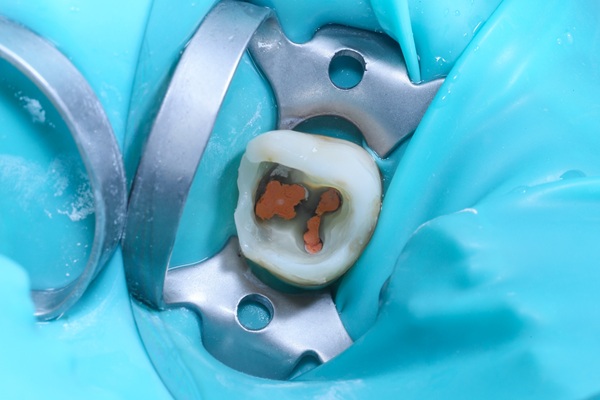
Endodontic procedures are important in keeping dental structures intact. These treatments focus on treating dental damage and diseases that affect the inner structures of teeth. Understanding these procedures can motivate you to set an appointment. Here are the three common endodontic procedures that you can discuss with your endodontist.
1. Pulpectomy
Of all endodontic procedures, this one often applies to children. The dentist will perform this treatment on baby teeth. The pulp contains nerves, connective tissue, and blood vessels. Pulpectomy removes the pulp from the roots and crown. The dentist will use this procedure to keep a baby tooth in place after severe trauma or decay.
Dentists want children to keep baby teeth because each one reserves a dental space for permanent teeth. A child who loses baby teeth earlier than expected can result in dental shifting, crowding, and misalignment. It can also make eating and speaking difficult for the child. The dentist will use a filling that will be absorbed by the body when the adult tooth appears.
A partial pulpectomy removes the pulp in the tooth’s roots and upper chamber. The dentist will remove the damaged part of the pulp. If necessary, the dentist will empty the upper pulp chamber. Cleaning and disinfecting the tooth will follow. The dentist will then fill it.
2. Root canal treatment
Root canals are common endodontic procedures. The dentist will restore a tooth with severe decay or damage rather than extract it. Infected or damaged pulp will need removal. The endodontist will clean, disinfect, and dry the pulp chamber. Filling it with gutta-percha will follow.
Endodontic procedures like this restore the dental structure. Root canals also protect the tooth and prevent future damage. The dentist will perform a thorough assessment of the patient’s tooth. Then, the dentist will perform the following:
- Local anesthesia with optional dental sedation for people with dental anxiety
- Placement of the dental dam
- Drilling a small access hole
- Removal of the pulp
- Canal shaping
- Filling the canals
- Sealing the treated tooth
- Placing the dental crown
Endodontic procedures like root canals are not painful. The dentist will always prioritize the patient’s comfort and health. Most people find relief after a root canal procedure. Any level of throbbing pain after the treatment will need re-treatment right away.
3. Apicoectomy
Sometimes, a traditional root canal is not enough. A tooth with severe damage may have an infected section of the dental root. For this, the dentist will cut through the gum tissue and jawbone. The dentist will create an opening in the bone. This will enable the dentist to remove the infected tissue and clean that area. Sealing it will follow.
The dentist will cover the area with gum tissue and close it with sutures. Apicoectomy will take two dental appointments. The patient will need to come back for suture removal. The patient will then start to heal and enjoy rejuvenated dental health.
Knowing more about endodontic procedures can help you decide what applies to your needs
Endodontic procedures can bring back your dental health. They can also make you look and feel better. Regular dental checks can help spot problems that need endodontic procedures. Working with your dentist can make these treatments easier.
Are you considering having endodontic procedures in the Fullerton area? Get more information at https://www.topocendodontist.com.
Check out what others are saying about our dental services on Yelp: Endodontic Procedures in Fullerton, CA.
Related Posts
When you are struggling with excruciating dental pain, root canal surgery might be a lifeline. The cause of the discomfort is sometimes a badly injured tooth with a compromised pulp chamber. It might also be the result of an infection that has spread to the pulp and nerve.Many factors can harm a tooth and impair…
A root canal can preserve and strengthen a severely damaged or infected tooth. When seeing a root canal dentist, asking informed questions can provide clarity, ease concerns, and improve treatment outcomes. Understanding the procedure helps make the experience more comfortable and ensures you are well-prepared for each step.While each patient's situation is unique, the following…
Non-surgical root canal therapy is an effective treatment option for patients who have an infected or damaged tooth pulp but want to avoid invasive surgical procedures. This treatment preserves the tooth and its function, providing relief from pain while avoiding the need for extraction. Understanding the signs that you are a candidate for non-surgical root…
Breaking a tooth can be a frightening time for anyone, and not knowing whether to seek emergency dental care for the broken tooth or wait for the regular office to open can add to the stress. The good news is that broken teeth are often resilient and can usually be restored to their normal function,…